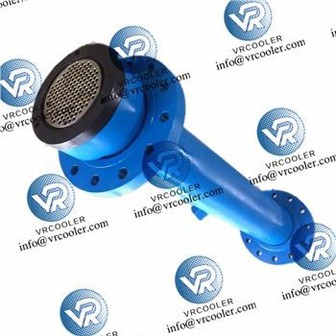
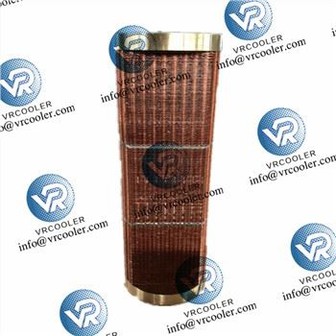
Bộ tản nhiệt của bộ tạo khí sinh học (Máy làm mát khô thông thường / Làm mát bằng không khí có nhiệt độ- cao-nhiệt độ-cao)
khí sinh họcBộ tản nhiệt máy phát điện(Thường là loại khô-Máy làm mát không khí / Làm mát nhiệt độ cao- và thấp-riêng biệt)
Khí sinh học có độ ẩm cao, có tính ăn mòn và chứa nhiều tạp chất. Do đó, thiết kế bộ tản nhiệt ưu tiên khả năng chống ăn mòn, chống tắc nghẽn và tách biệt làm mát ở nhiệt độ cao- và-thấp. Trong thực tế kỹ thuật, máy làm mát không khí loại-khô hầu như chỉ được sử dụng và tháp làm mát bằng nước không được sử dụng.
Để đảm bảo hiệu suất và tuổi thọ, động cơ khí sinh học thường sử dụng hai hệ thống làm mát độc lập:
Mạch nhiệt độ-cao (HT)
Làm mát: Nước lót xi lanh, lốc máy
Nhiệt độ: 85–95 độ
Chức năng: Ngăn ngừa quá nhiệt động cơ và duy trì hiệu suất nhiệt ổn định
Mạch nhiệt độ-thấp (LT)
Làm mát: Làm mát bằng không khí, dầu động cơ, bộ gia nhiệt khí sinh học
Nhiệt độ: 55–70 độ
Chức năng: Giảm nhiệt độ không khí nạp, bảo vệ dầu động cơ và ổn định tỷ lệ nhiên liệu không khí-
Mỗi mạch đều được trang bị một bộ trao đổi nhiệt chuyên dụng, được gọi chung là bộ làm mát khô ở nhiệt độ cao- và-thấp.
Sự khác biệt so với bộ tản nhiệt trong động cơ Diesel/khí tự nhiên thông thường
Tăng cường khả năng chống ăn mòn
Khí sinh học chứa H₂S và hơi nước có tính ăn mòn cao; cánh tản nhiệt và đường ống phải có khả năng chống ăn mòn-.
Dễ dàng hơn để làm sạch
Khí sinh học chứa nhiều tạp chất, cánh tản nhiệt dễ bị tắc; thiết kế phải tạo điều kiện thuận lợi cho việc rửa nước và thổi khí.
Kiểm soát nhiệt độ chặt chẽ hơn
Giá trị nhiệt lượng của khí sinh học biến động đáng kể; nhiệt độ không ổn định trong mạch nhiệt độ-thấp ảnh hưởng trực tiếp đến công suất đầu ra và nhiệt độ khí thải.
Bảo vệ chống đóng băng mùa đông
Chất chống đông ethylene glycol thường được sử dụng để ngăn ngừa vỡ đường ống do đóng băng.